Great design doesn’t happen by accident, it’s built on knowledge, clarity, and consistency. UX education empowers teams, UX documentation creates alignment, and UX best practices ensure every experience is intuitive and accessible.
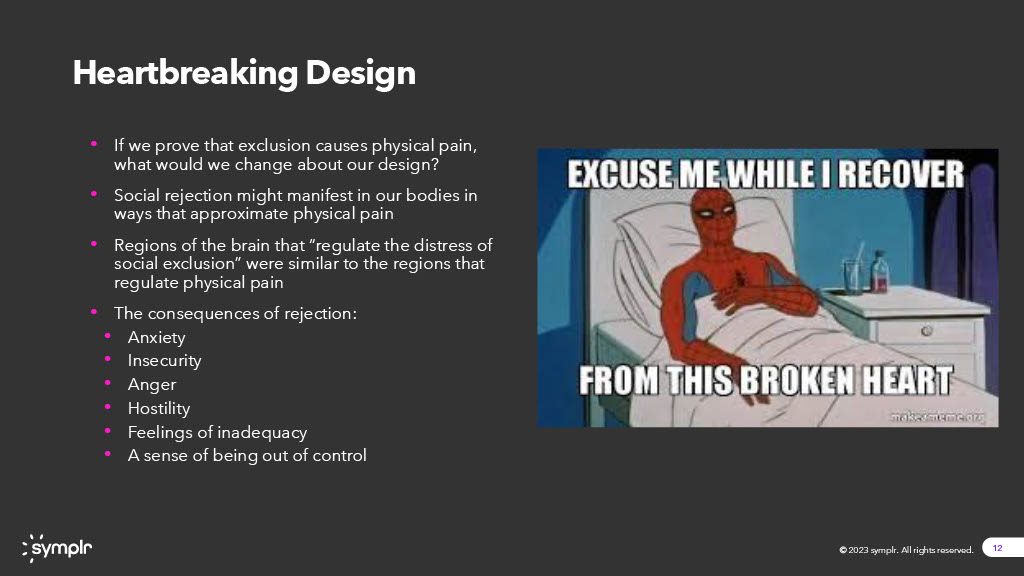
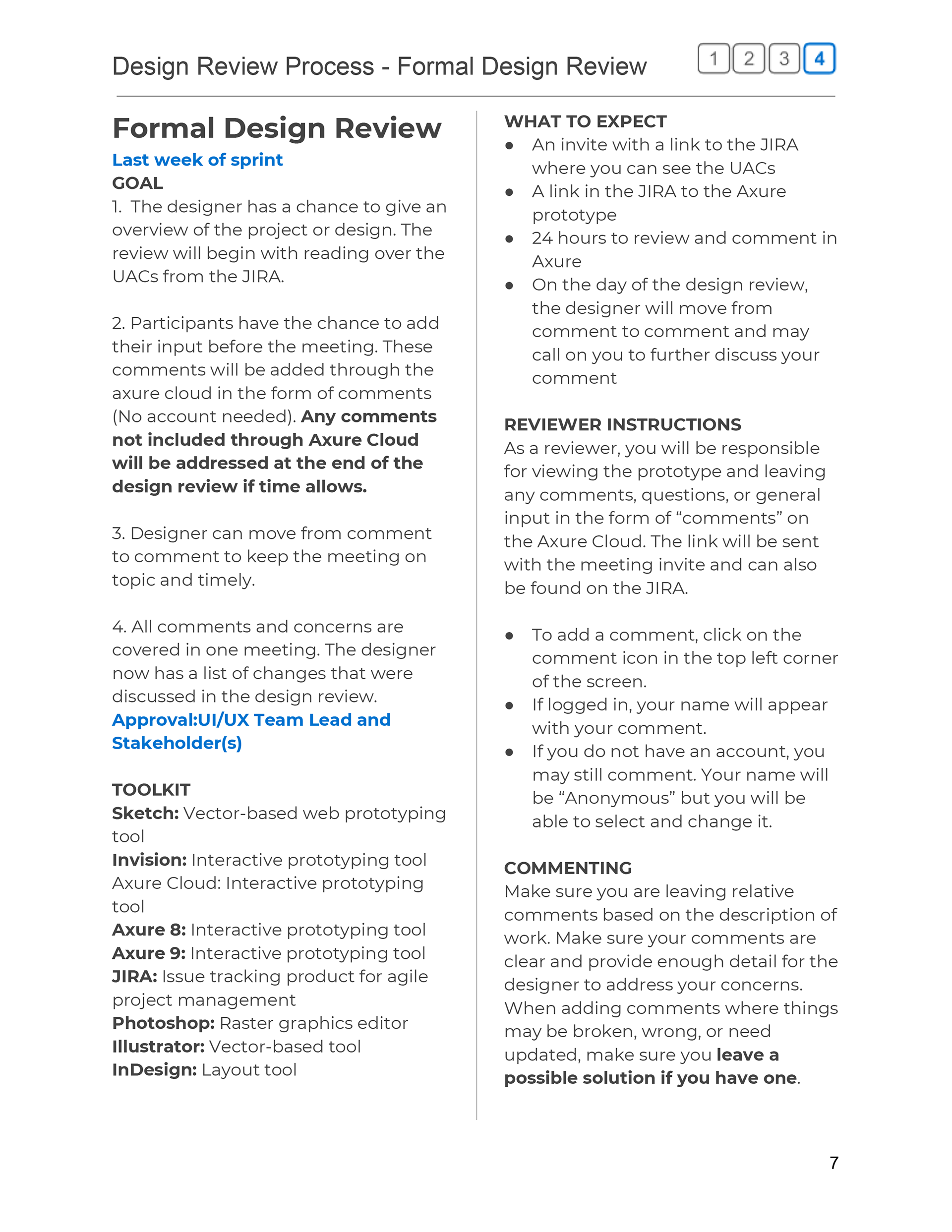
Teams moved quickly but often lacked consistency in their design process. Accessibility, UX best practices, and structured collaboration sometimes took a backseat to speed, leading to missed opportunities for alignment and rework later. Design reviews, a critical part of the UX process, were often intimidating and unproductive, which made it harder for designers to get actionable feedback.
1. Create approachable, team-wide learning opportunities around UX, accessibility, and design best practices.
2. Provide clear, adaptable tools and processes that supported both product and engineering.
3. Make design reviews more engaging, less intimidating, and ultimately more effective.
4. Ensure that early product discussions considered user experience from the start.
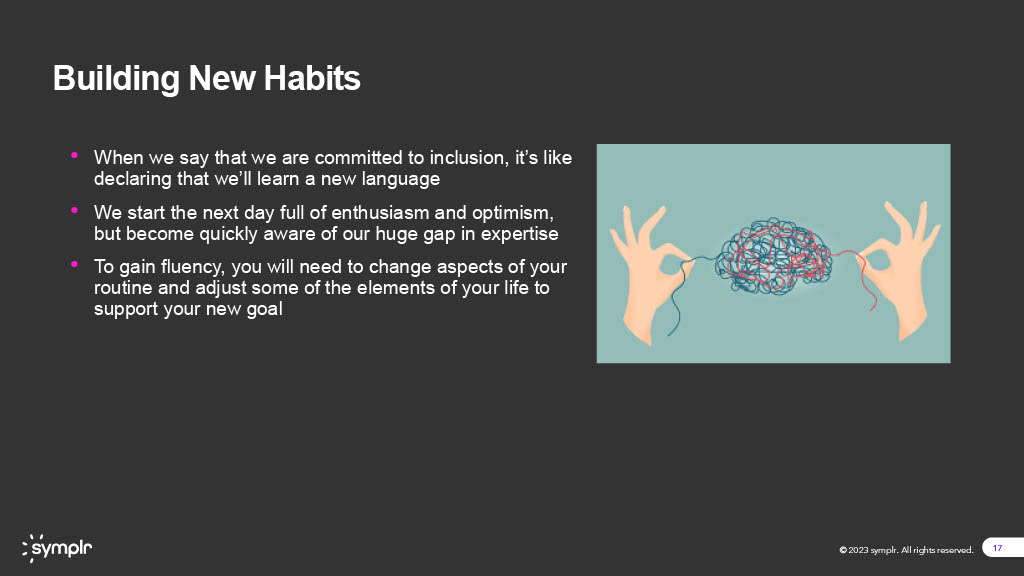
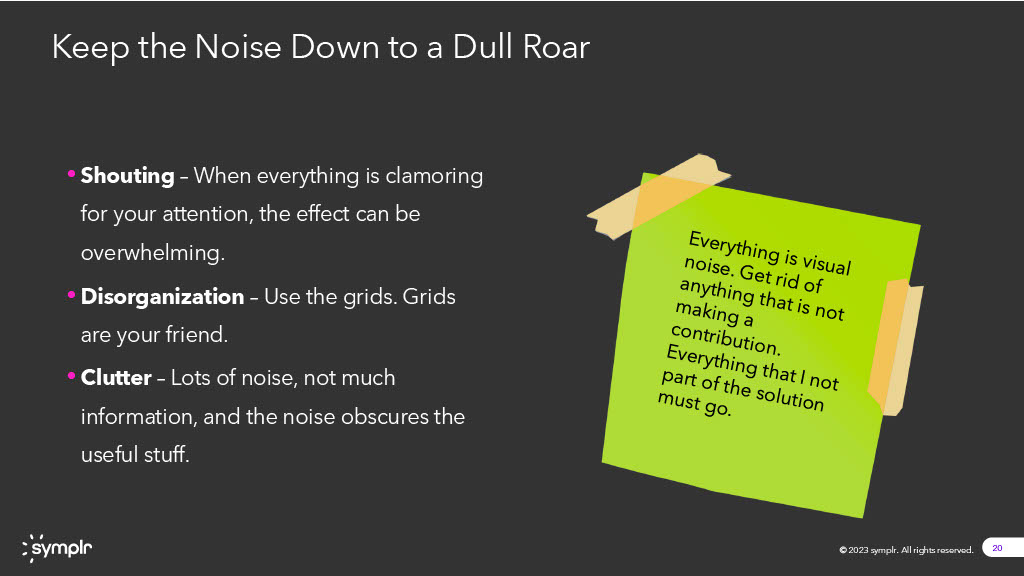
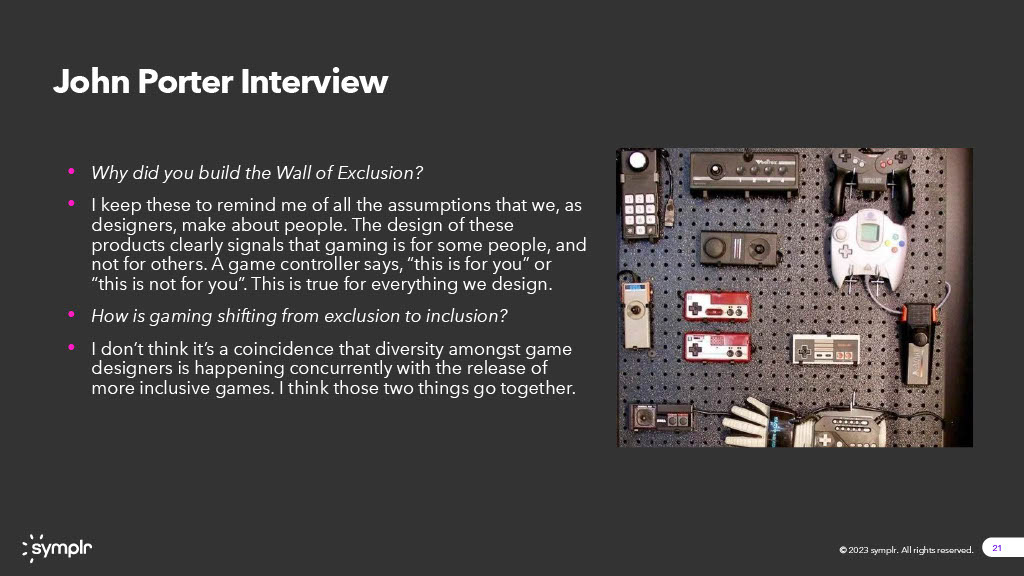
1. Led several book clubs with designers, researchers, and engineers on topics like accessibility, typography, and UX best practices.
2. Created weekly presentations so participation didn’t require pre-reading — anyone could show up, listen, and contribute.
3. Fostered a shared understanding of design principles across disciplines.
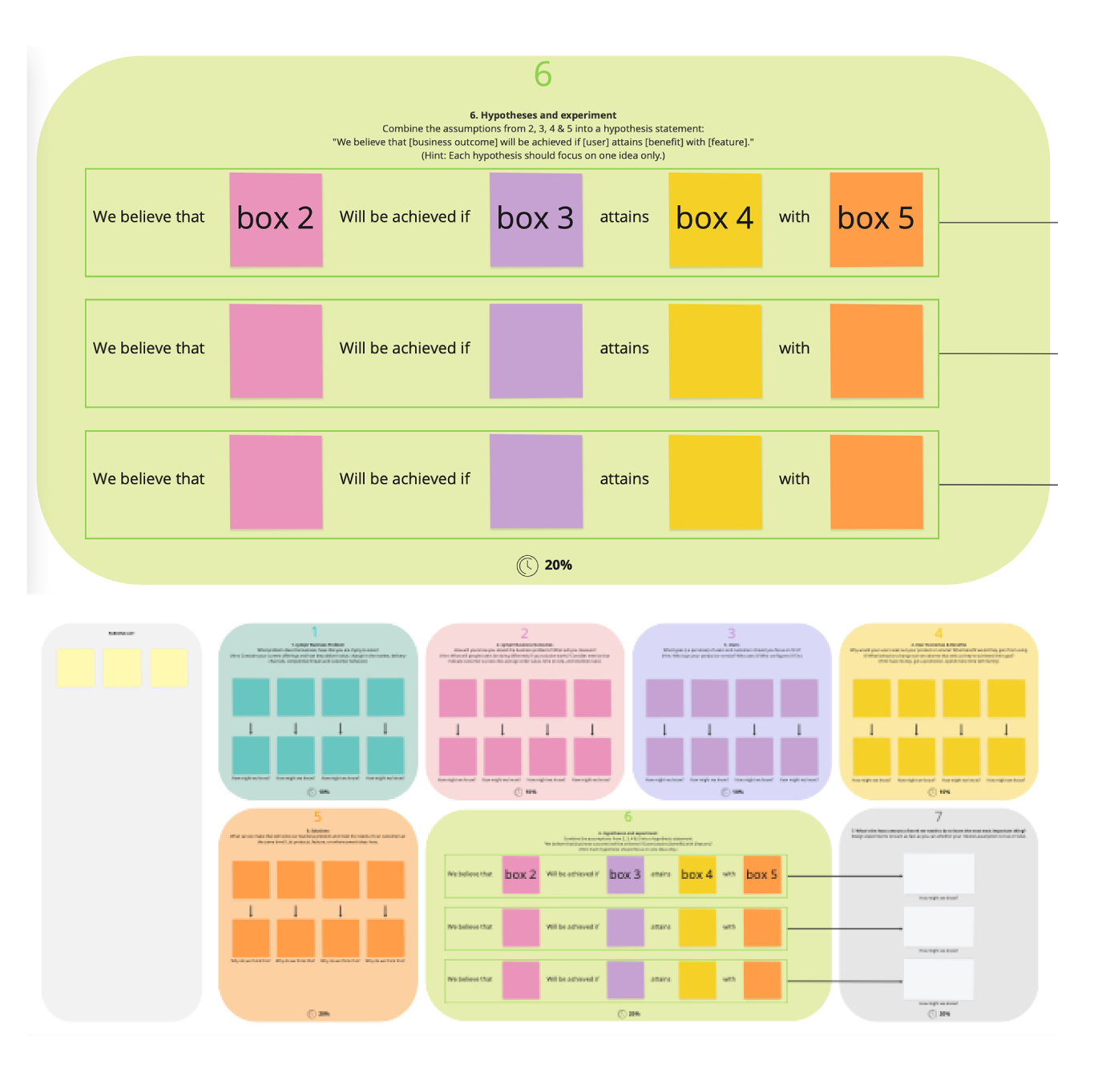
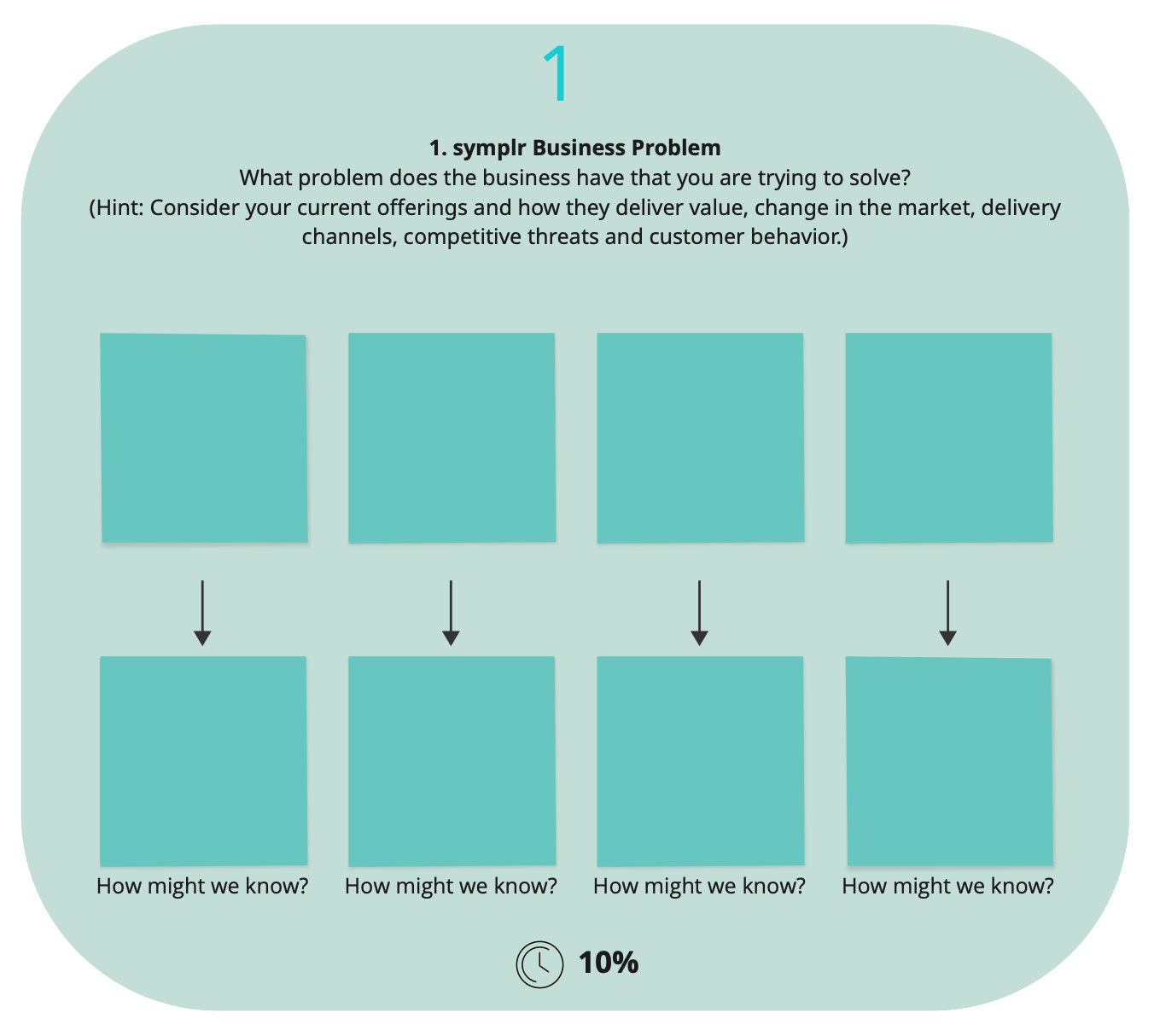
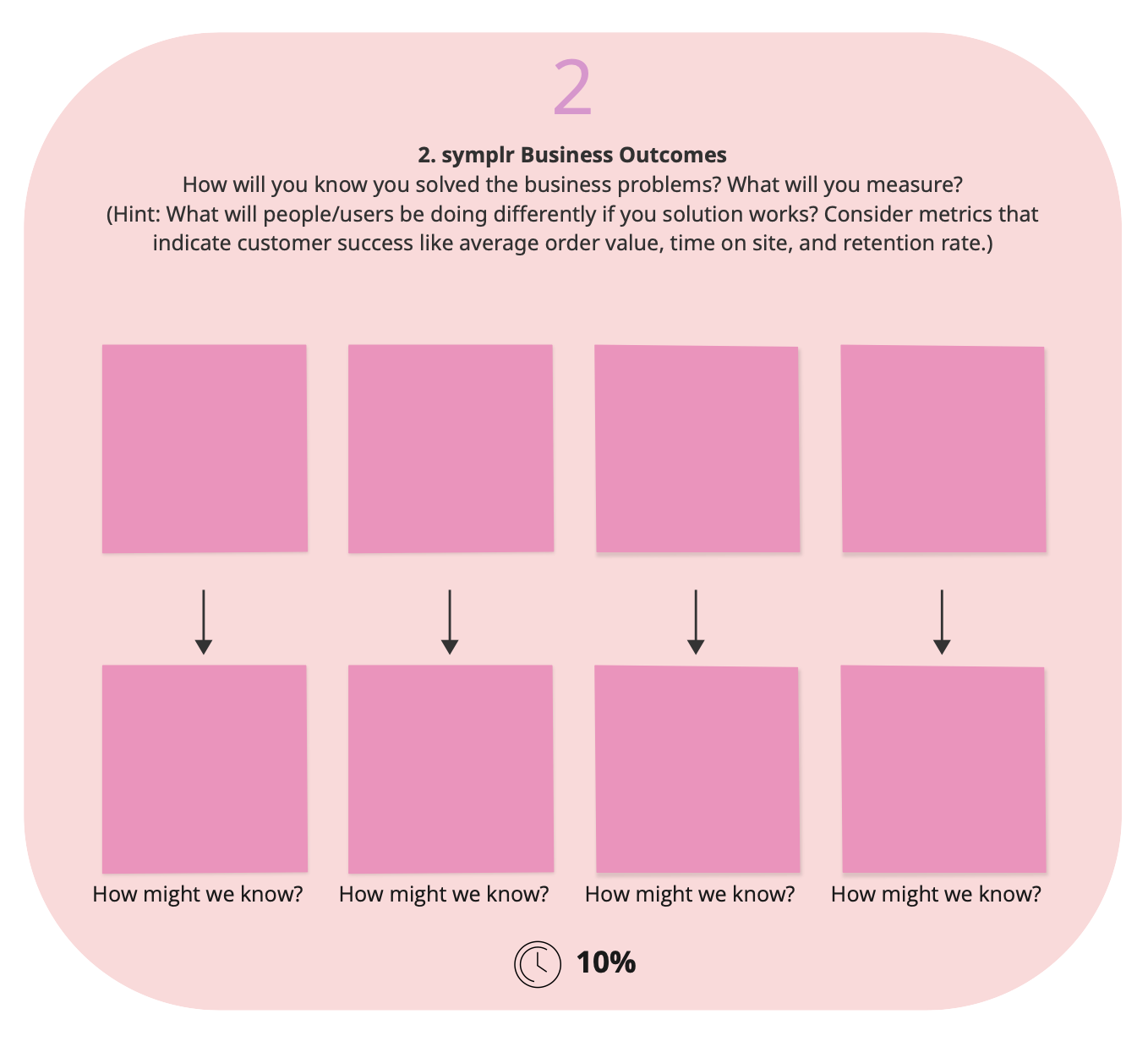
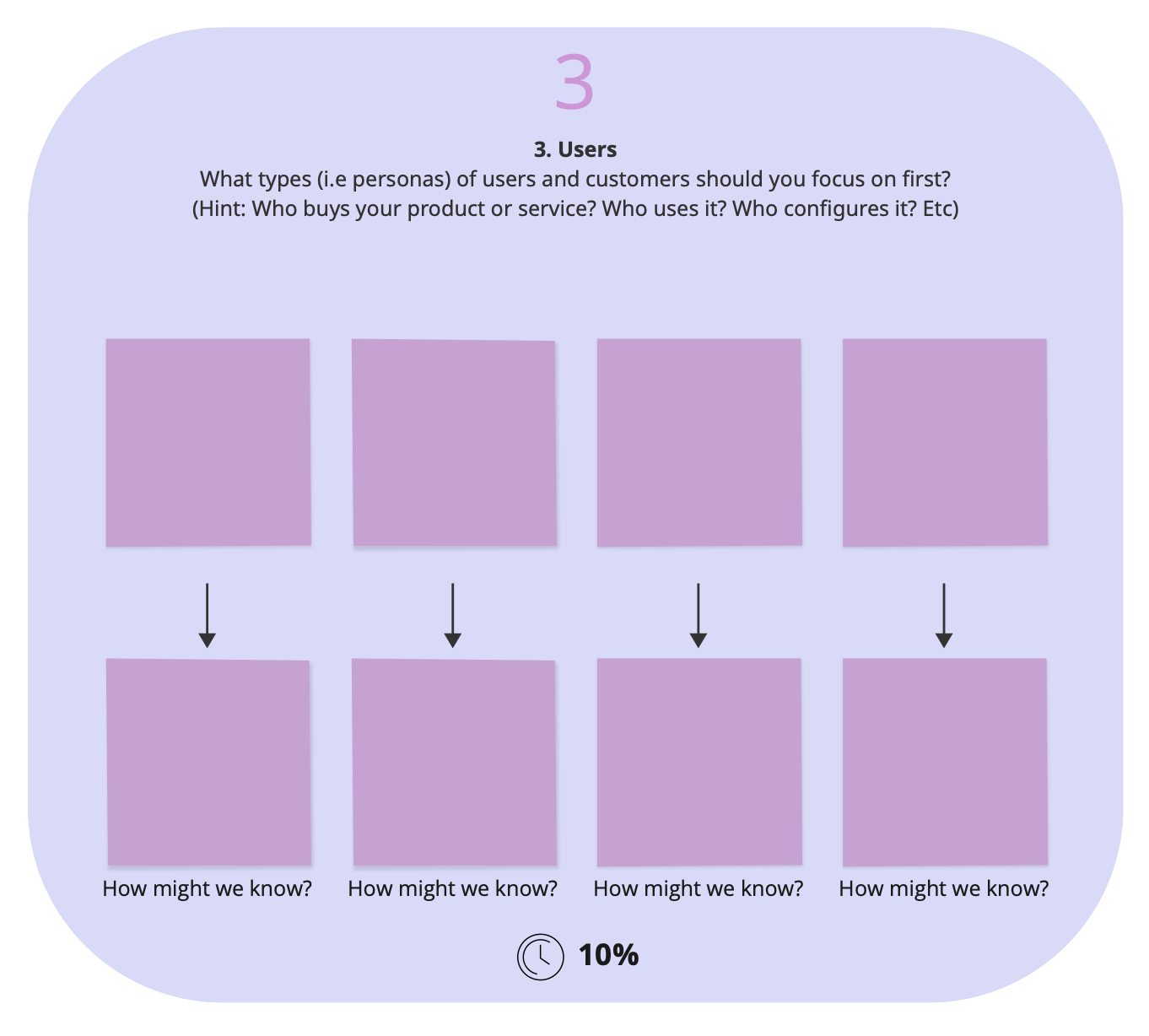
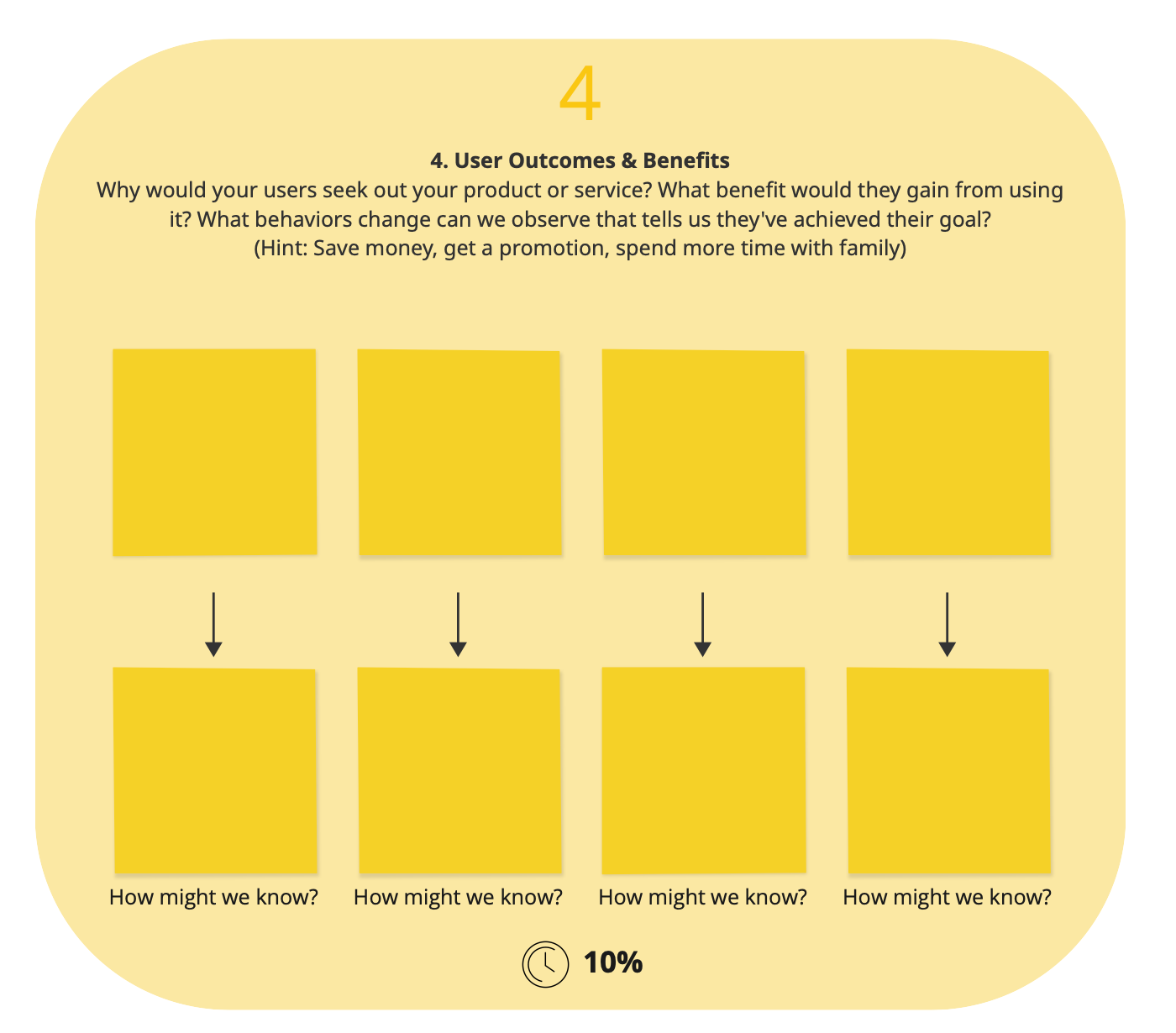
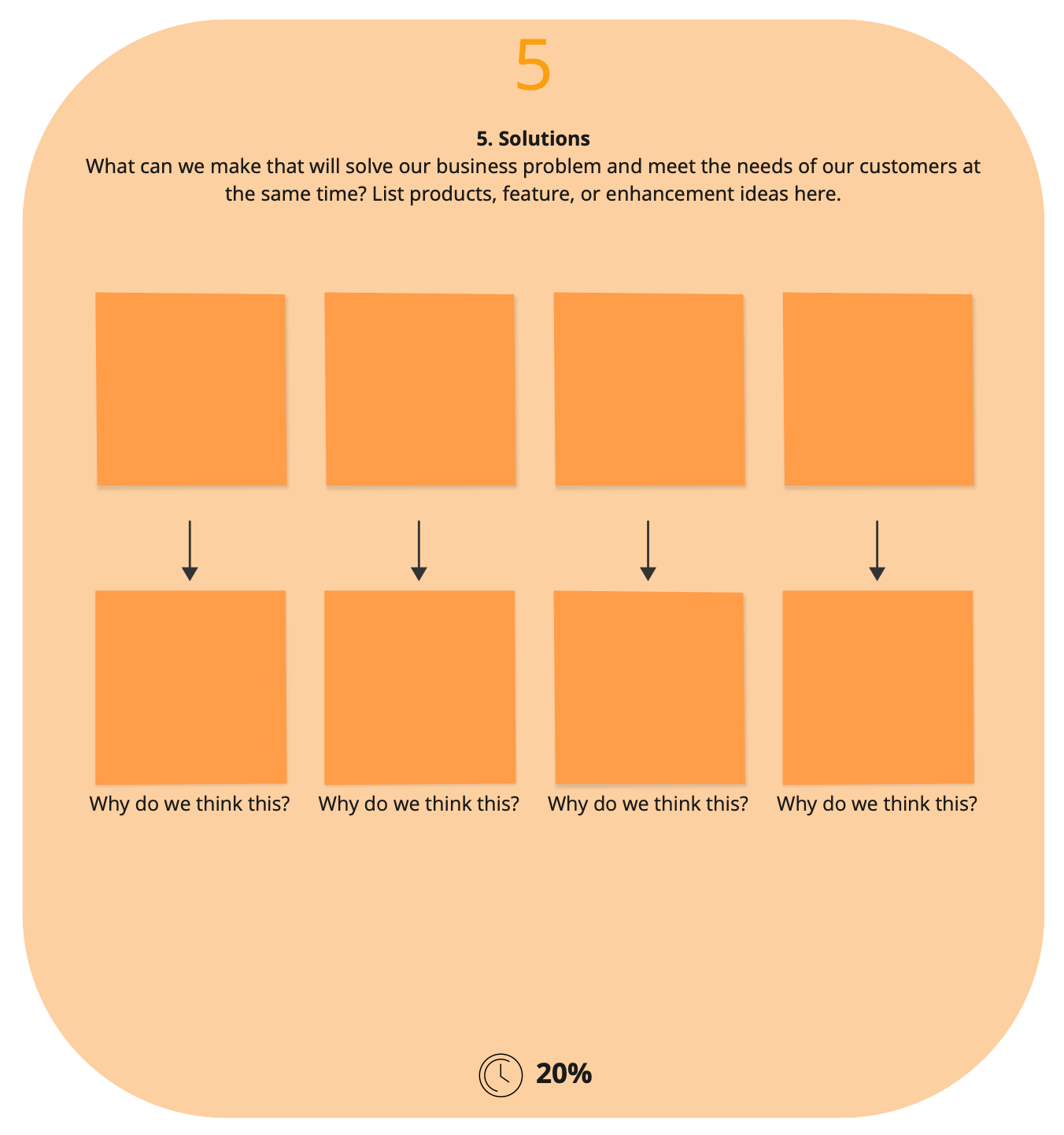
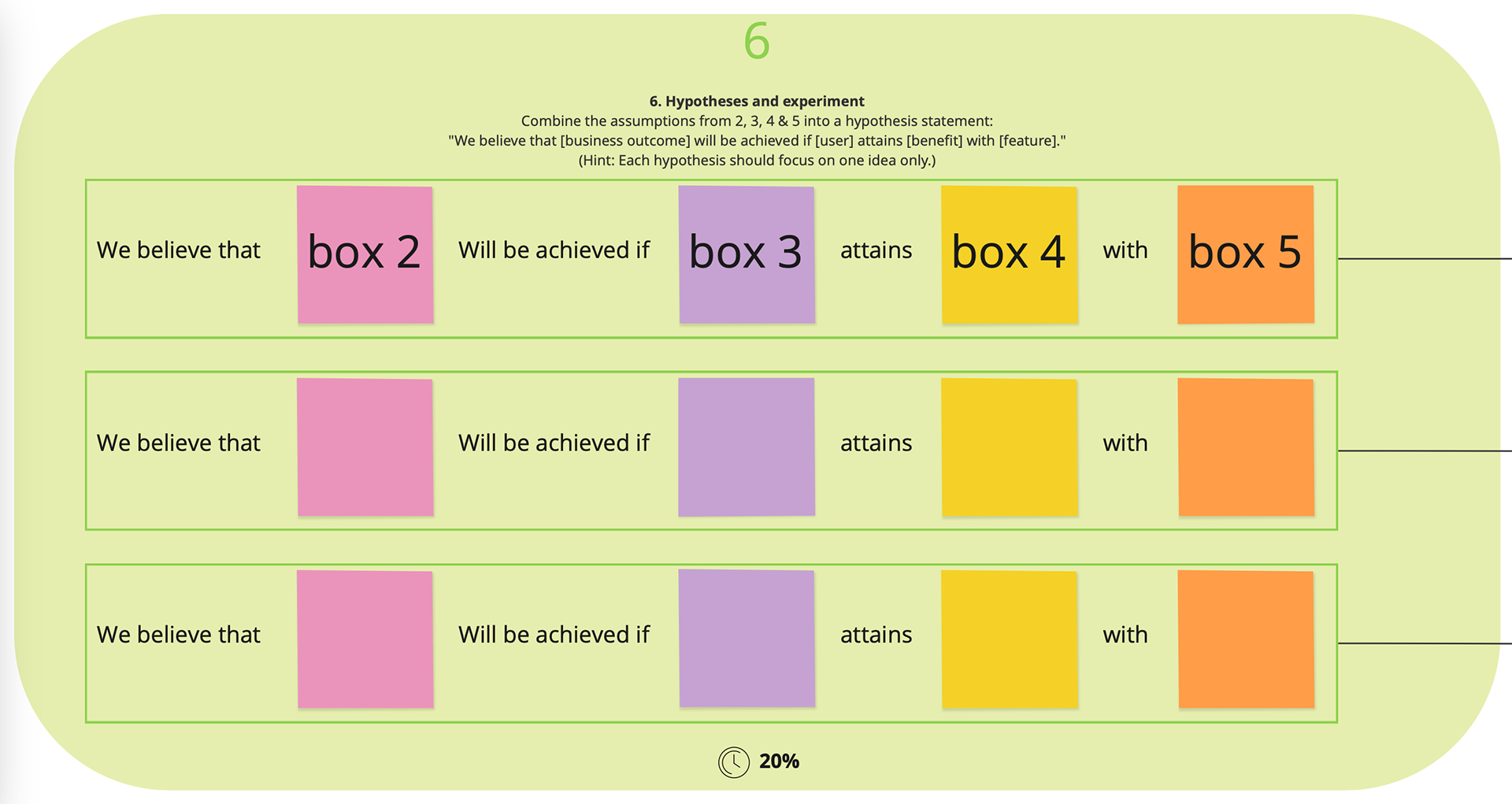
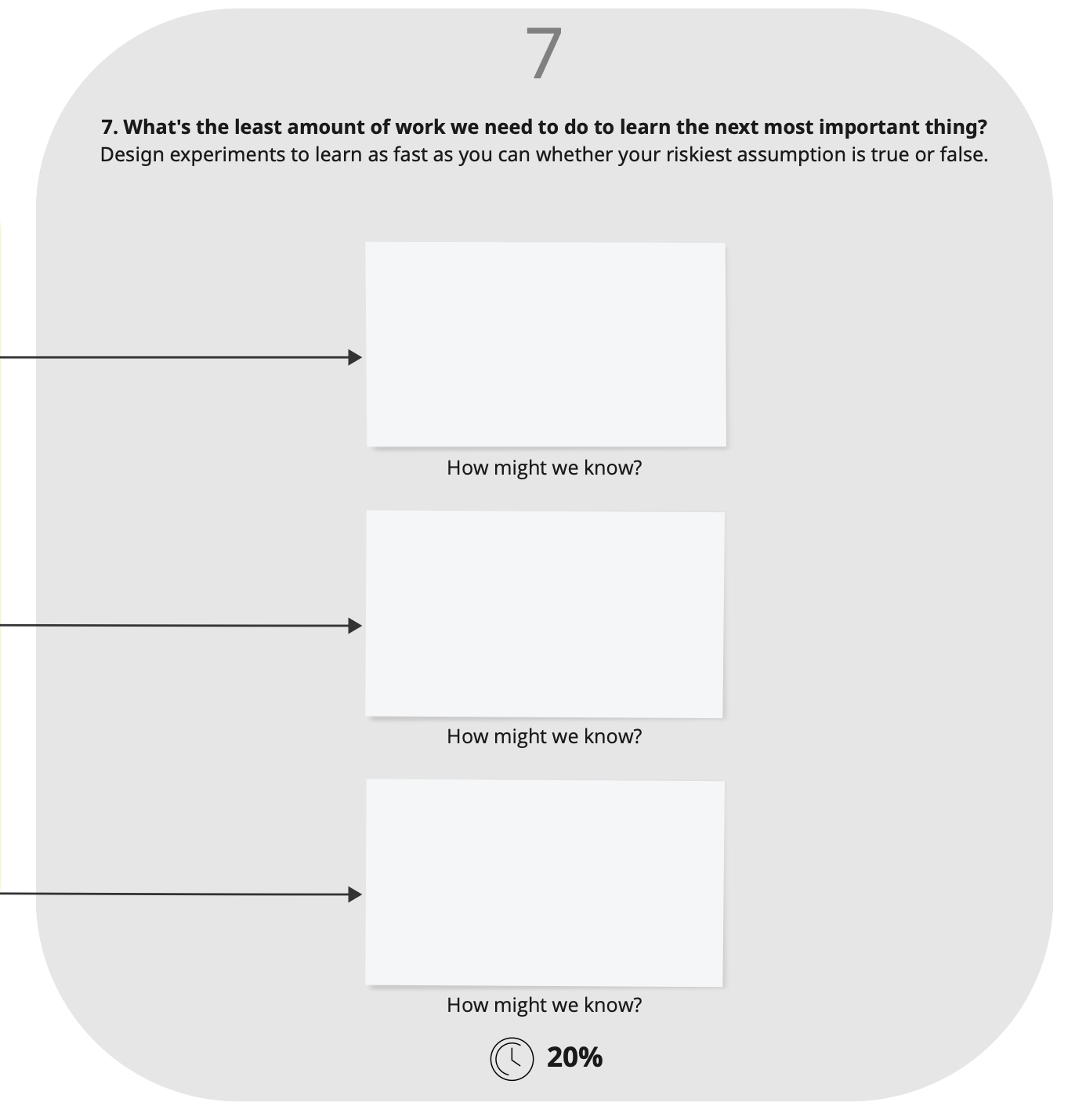
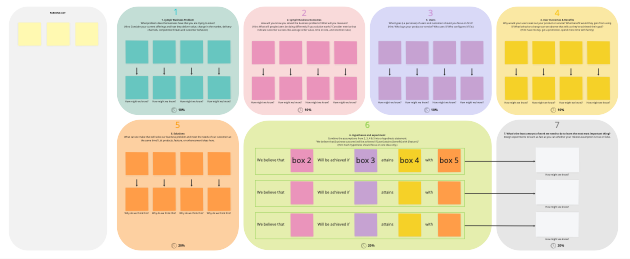
1. Adapted the Lean UX Canvas to better fit team needs and make it more approachable for product managers.
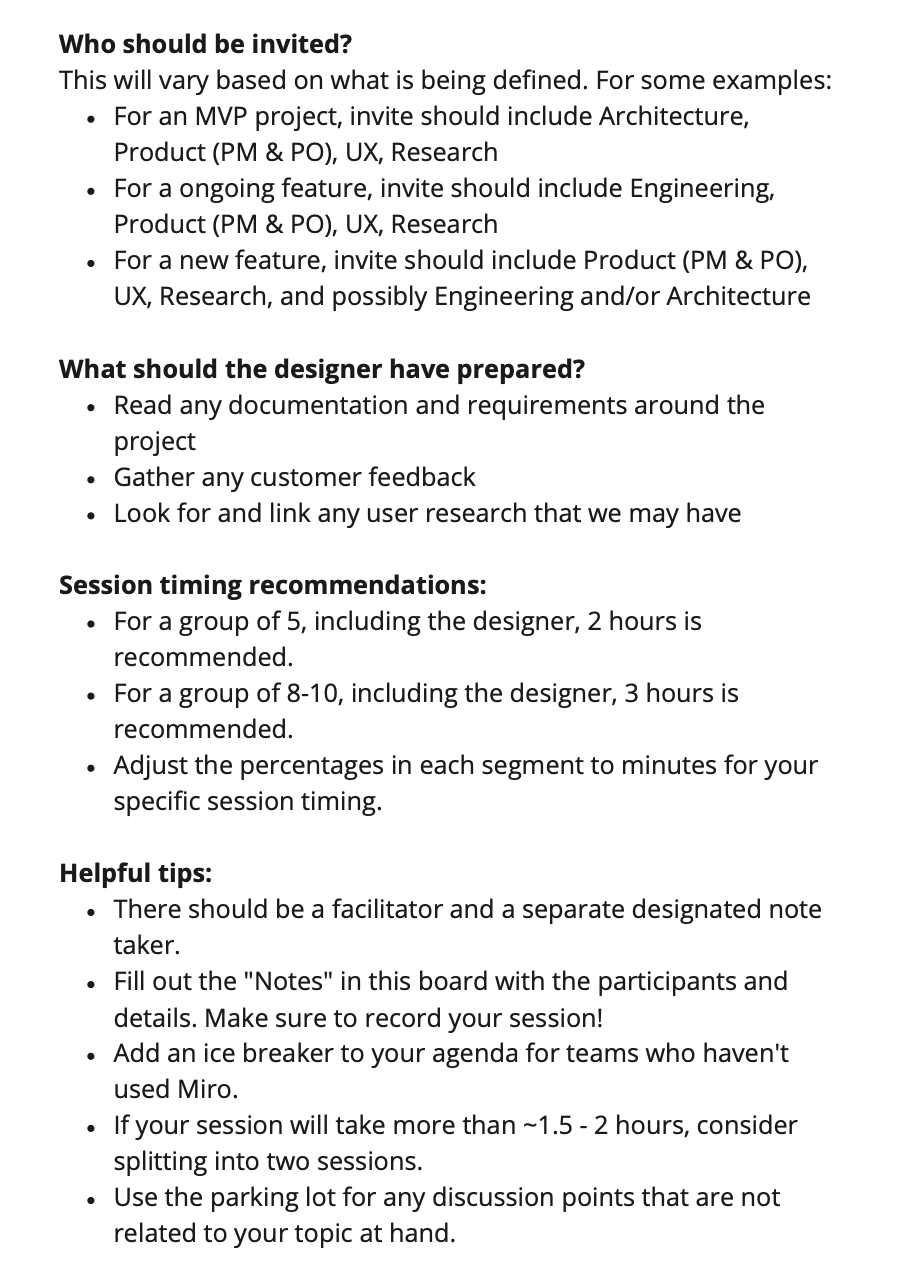
2. Used the canvas as a tool during feature kick-offs where no MVP yet existed, ensuring early alignment and shared understanding.
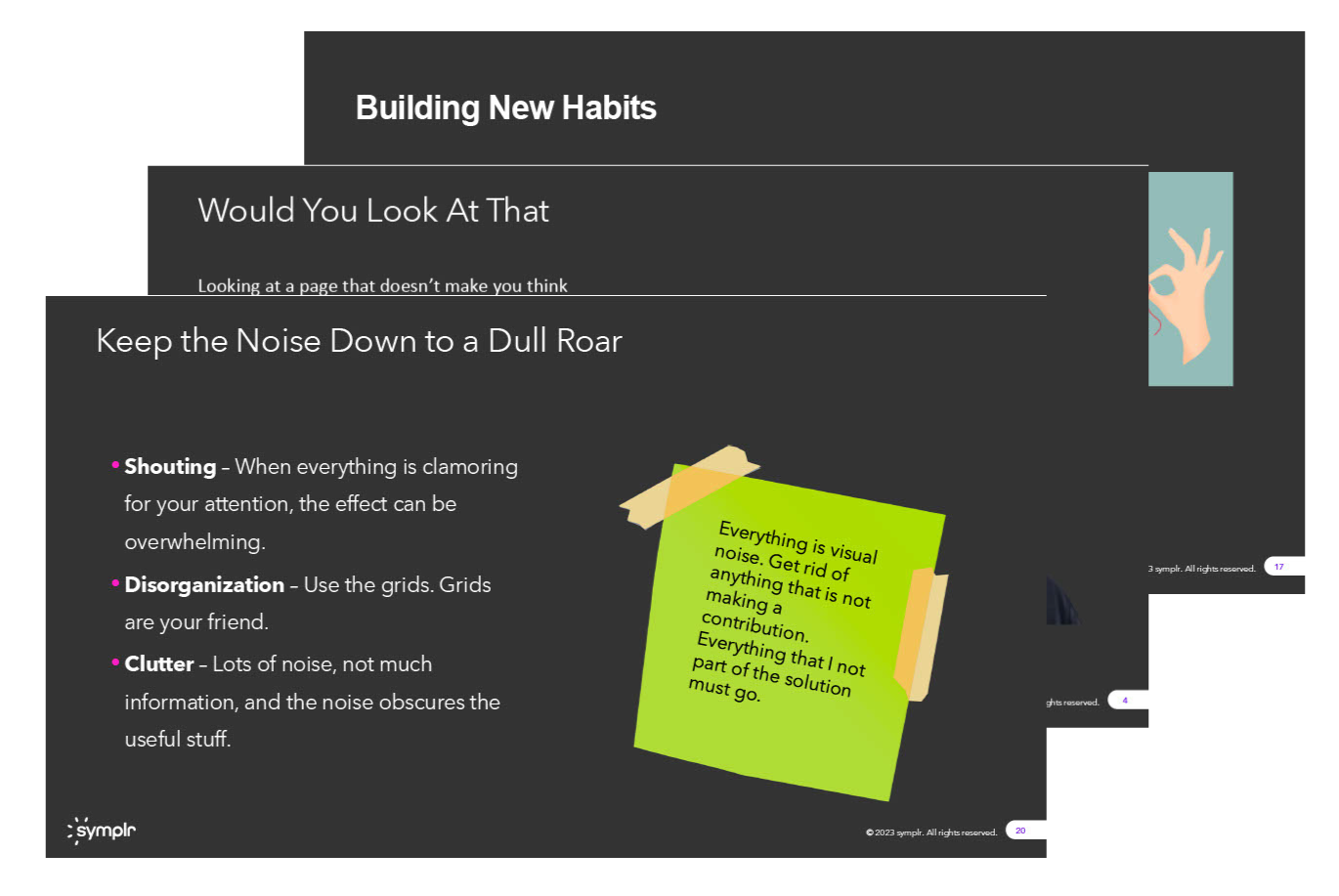
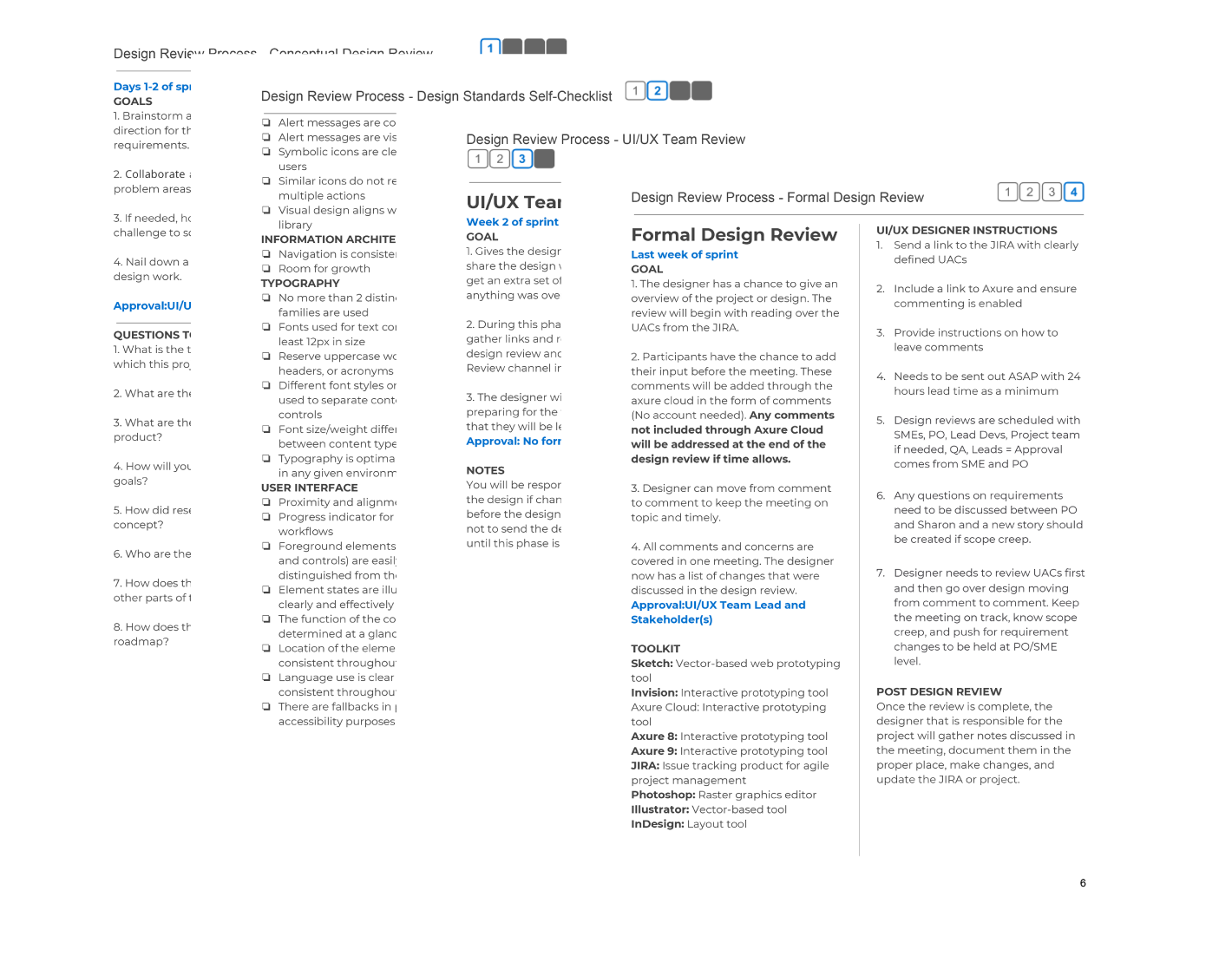
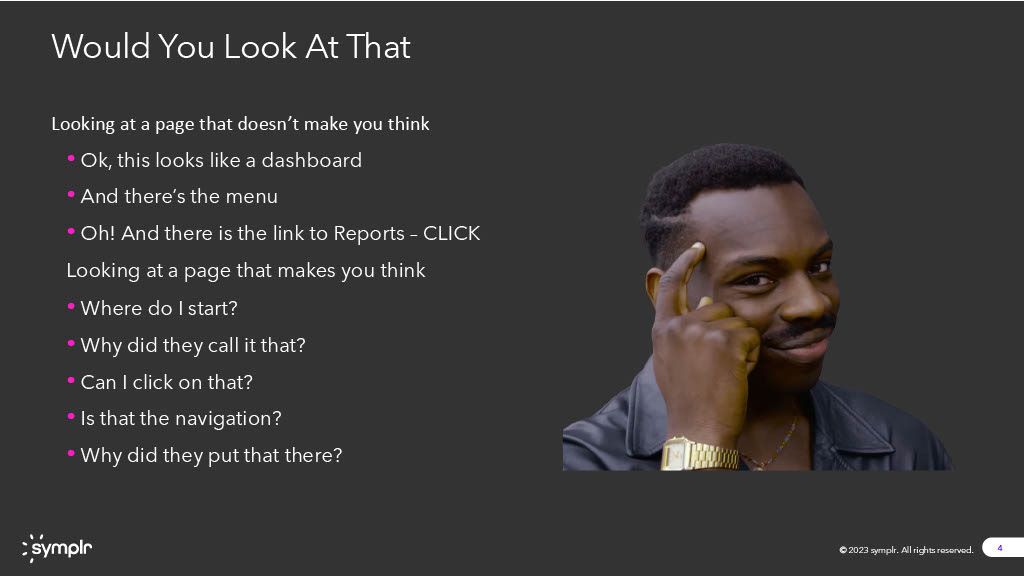
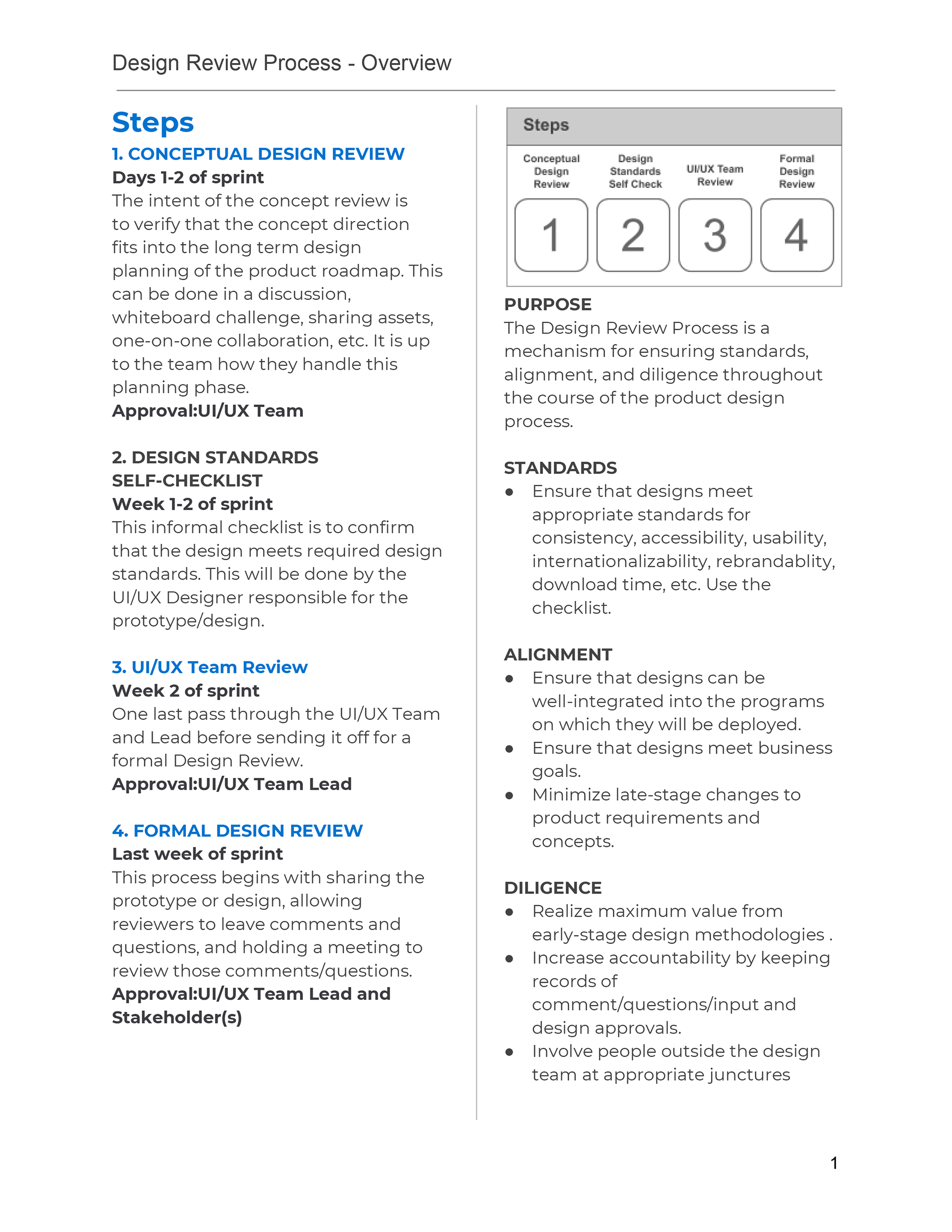
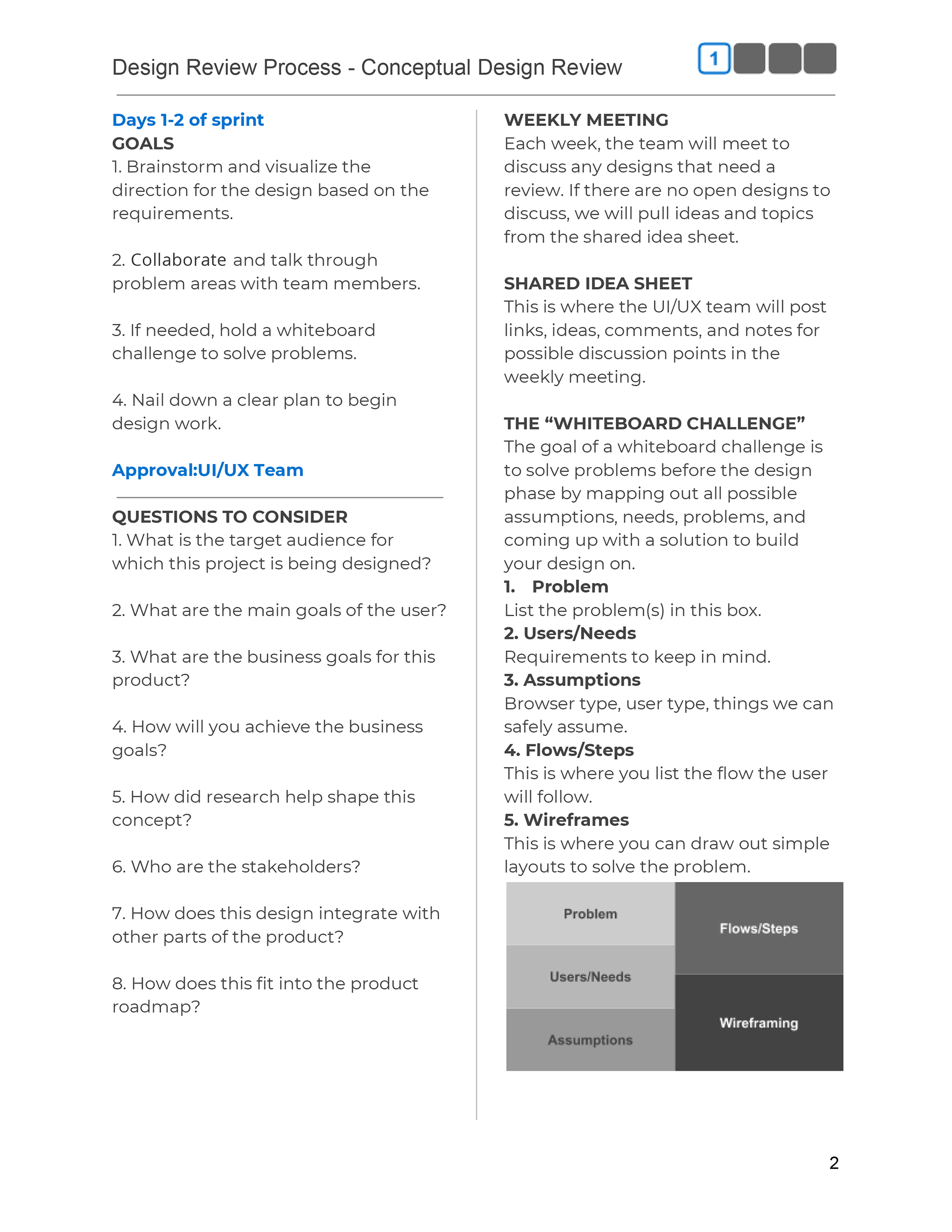
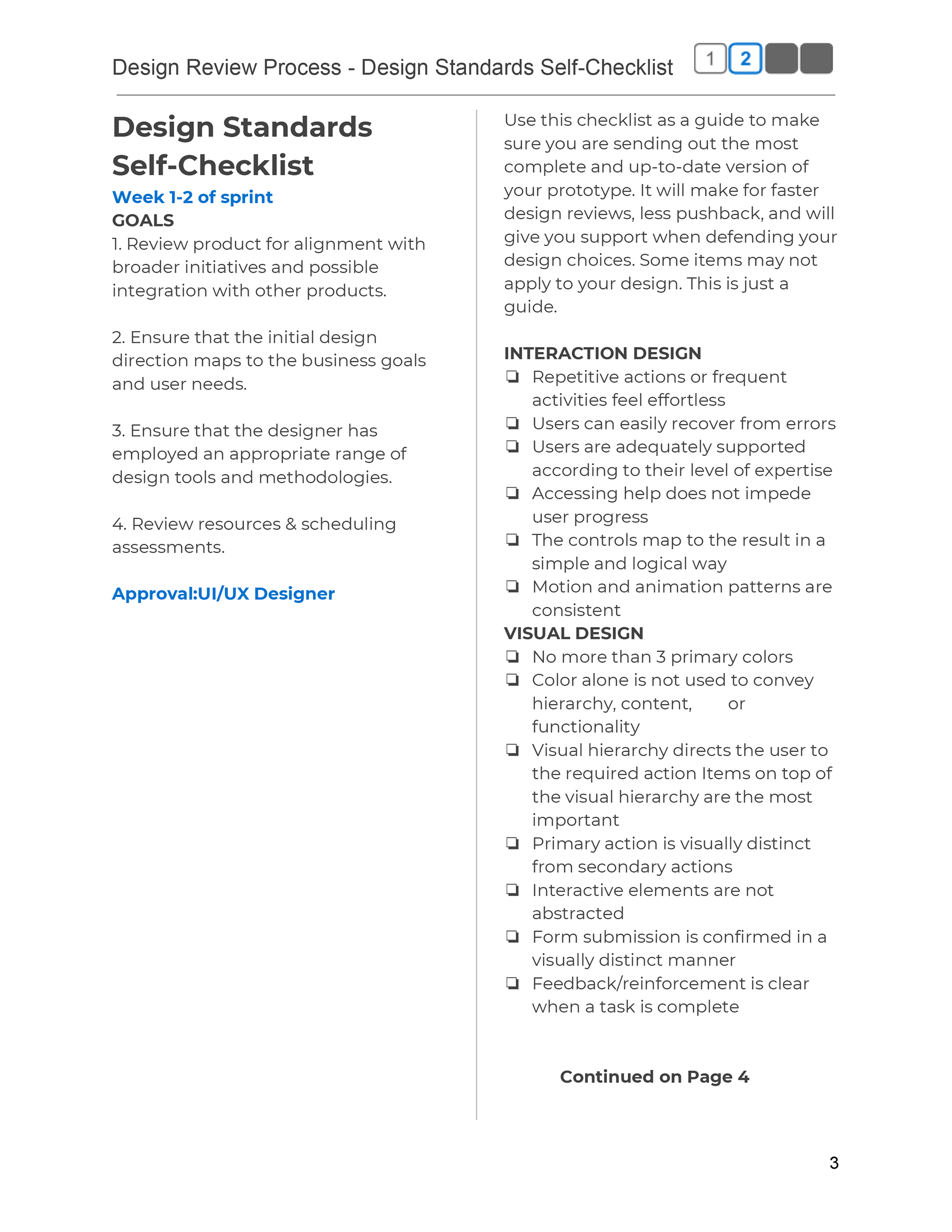
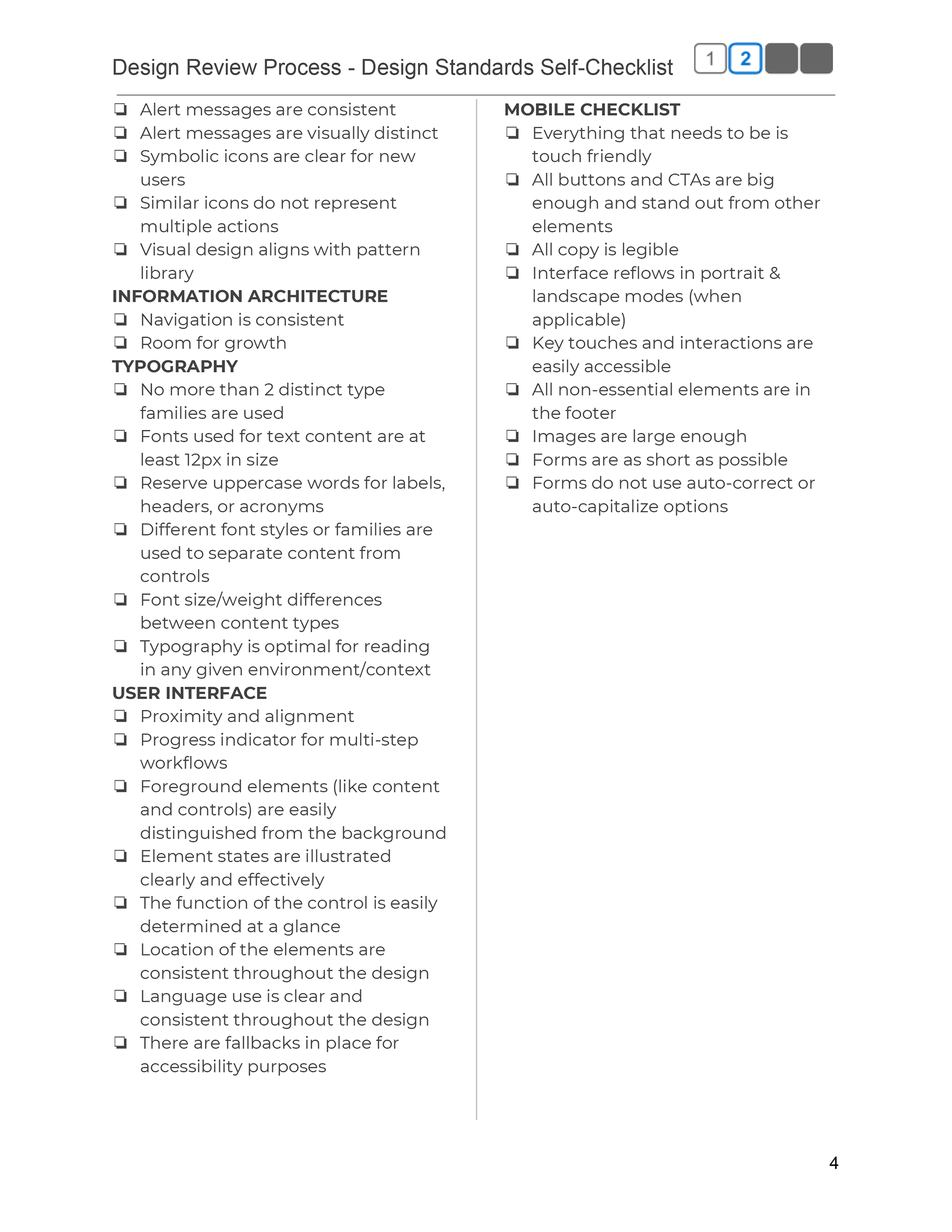
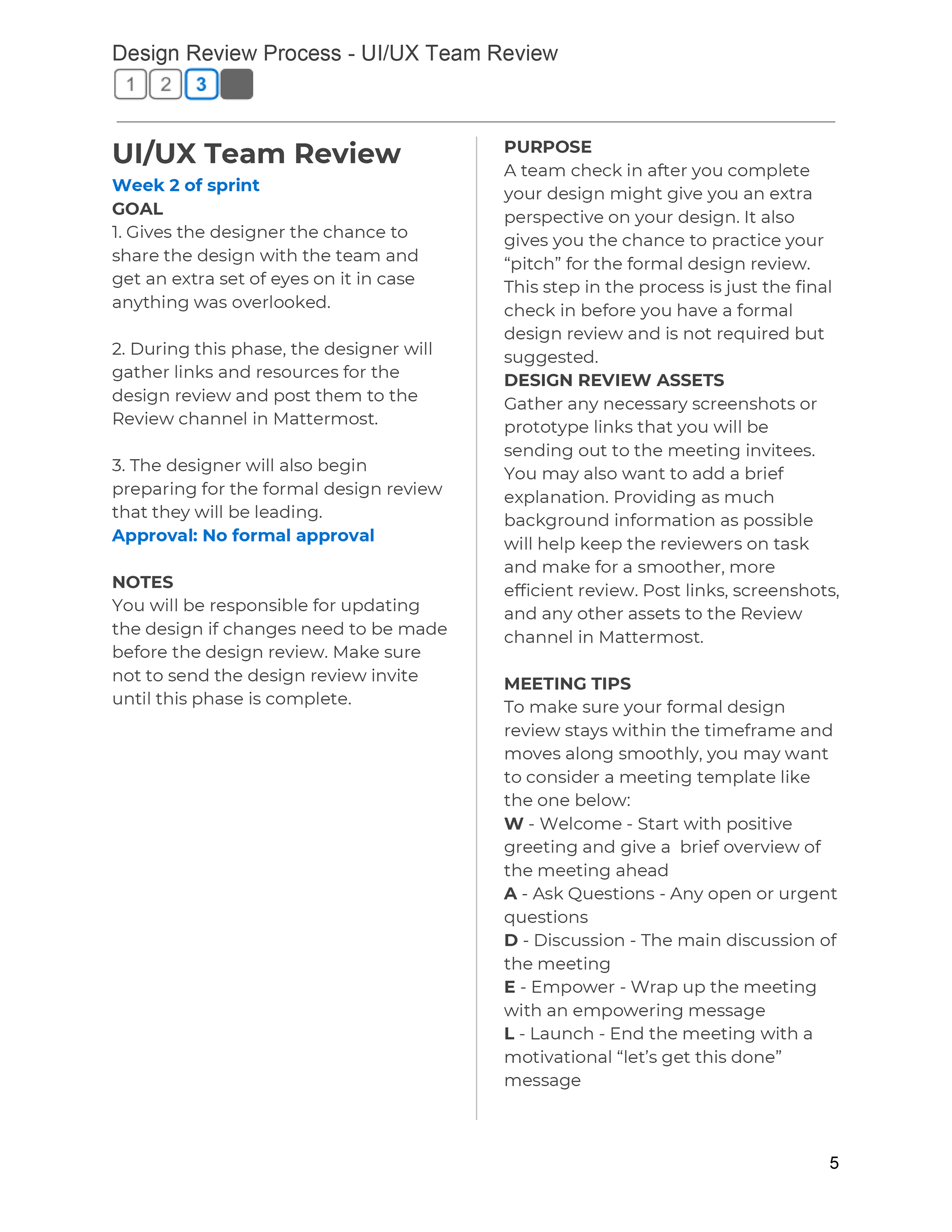
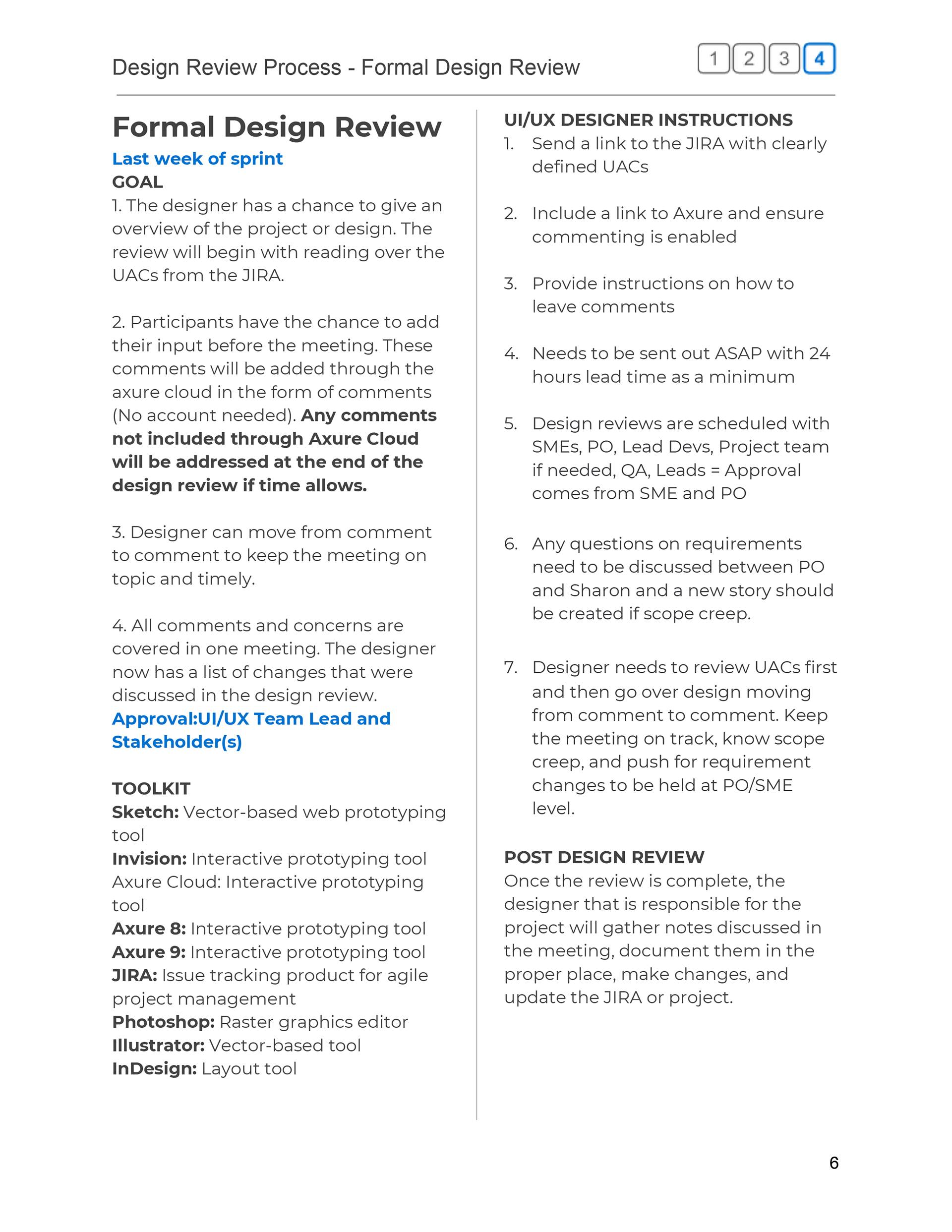
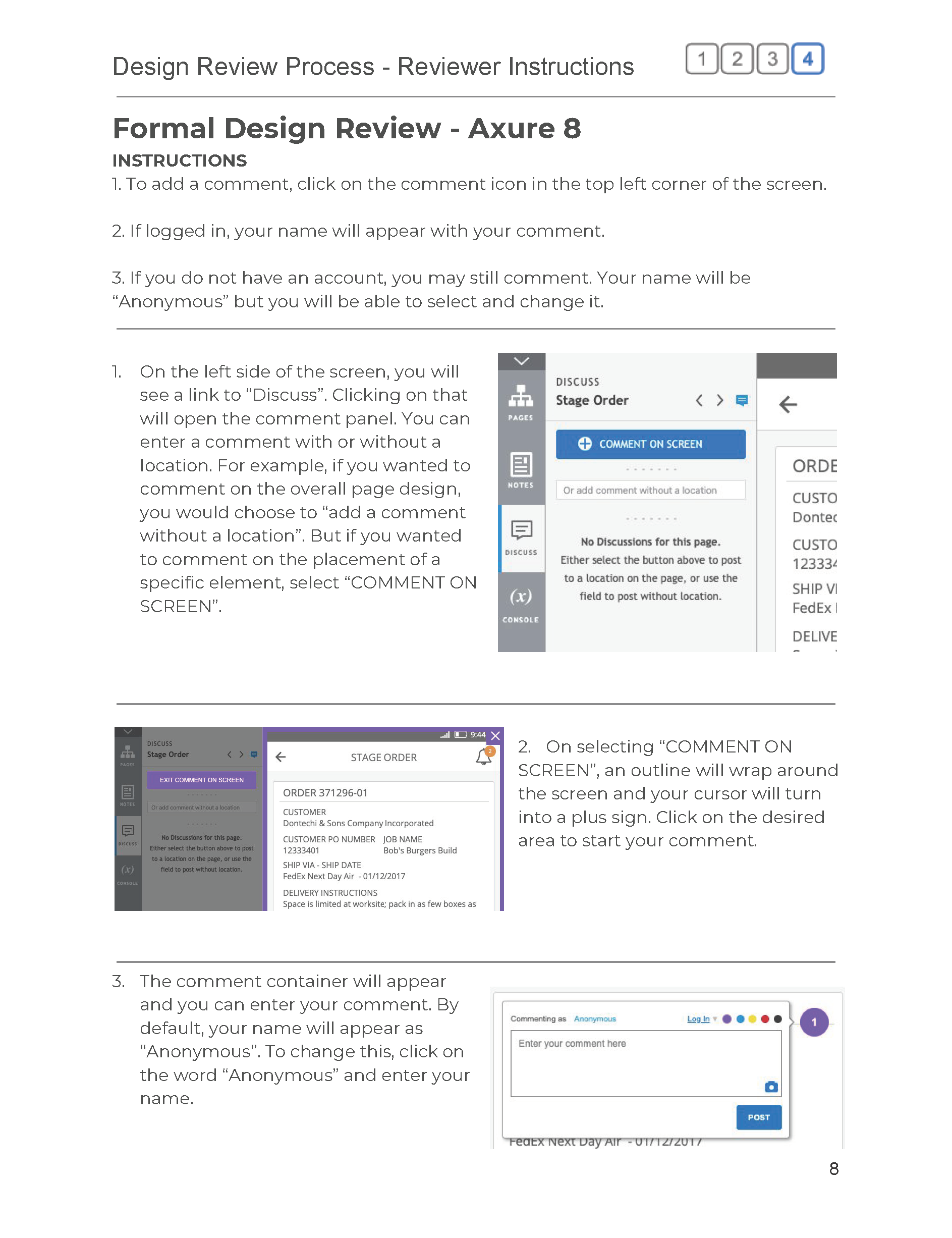
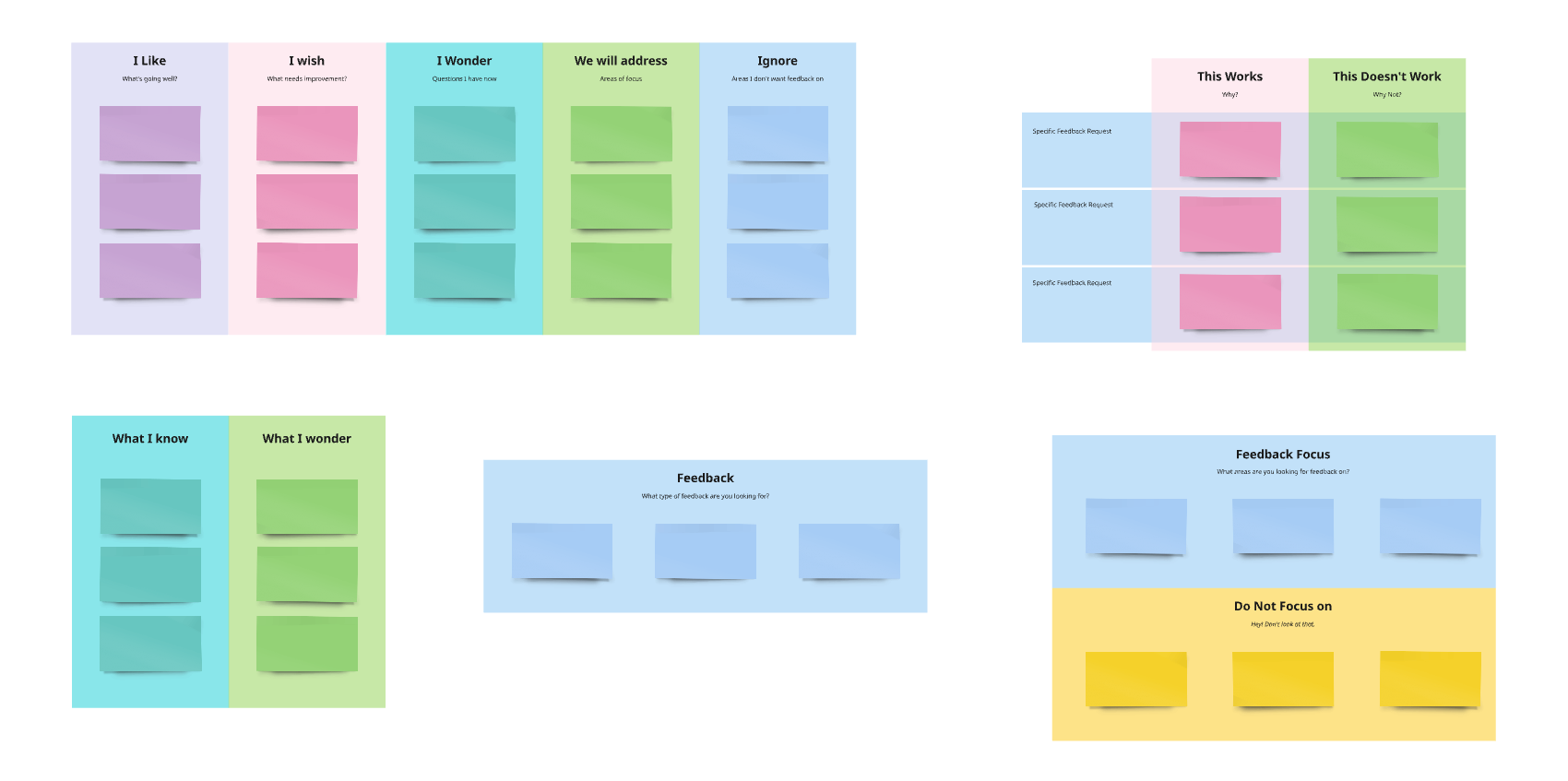
1. Reimagined the traditional design review into Feedback Fun Time - a structured, approachable, and even fun environment.
2. Introduced tools and resources that made feedback quick, painless, and productive.
3. Evolved the process over years of iteration, adapting it to each team’s needs until landing on a flexible, effective format.
Increased cross-functional collaboration and shared design literacy across product and engineering.
Made design reviews less intimidating, encouraging more participation and resulting in higher-quality feedback.
Created scalable processes and educational practices that teams could continue using independently, accelerating the design process while “covering all bases.”
Improved kickoff alignment, reducing friction between product and design when scoping features.
This work showed me the value of creating processes that are not only structured but also approachable and enjoyable. By embedding UX education into daily practices and making collaboration less intimidating, I helped teams work faster, more confidently, and with greater alignment.
These efforts increased cross-functional collaboration, improved kickoff alignment, and made feedback sessions more engaging and productive — helping teams move faster while ensuring they covered all the critical aspects of design.